

Supplying French Frigates: What it Really Takes to Enter Defence
Breaking into defence is less about engineering than about surviving long development cycles, heavy documentation and delayed returns
BY: KEVIN LANDOR LAURSEN
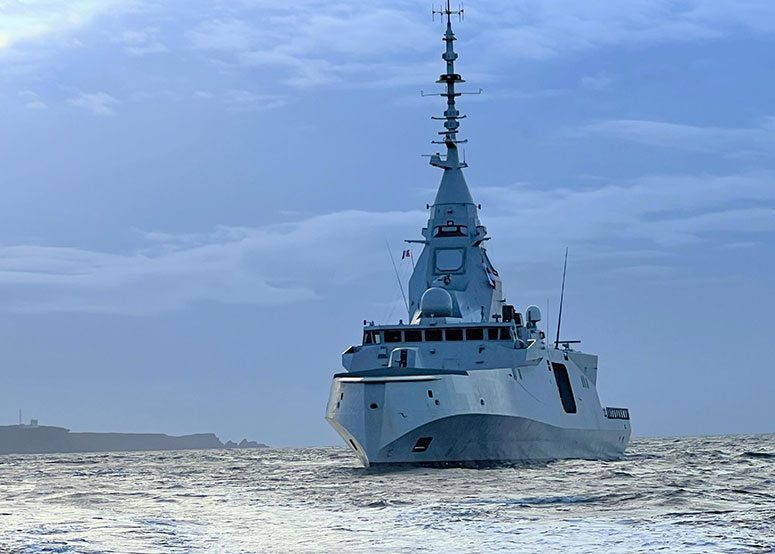
IMAGE ABOVE: Amiral Ronarc'h, France's first FDI delivered in 2025, was delivered with a STL-system supplied by Dellner Bubenzer. Credit: Naval Group
Dellner Bubenzer is already part of the supply chain for the French FDI frigate, now under consideration for Sweden’s future naval programme.
That position has taken years to build.
And it illustrates a broader point: Entering the defence industry is less about technology than about whether a company can absorb the cost, complexity and timelines required to get there.
- You need to be prepared before you enter such a market, says Anton Jonsson, sales engineer at the Swedish supplier.
- There’s a lot of documentation and a lot of validation needed.
From Borlänge, the company has spent roughly a decade working its way into Naval Group’s supply chain. Today, it delivers a core system to the FDI frigates: a combined stopping, turning and locking (STL) mechanism for the propeller shafts.
Each ship carries two units, adding up to around 4.2 tonnes of equipment. But in defence, technical capability is only the starting point.
The real obstacle is more structural.
- The defence market is growing rapidly, but it requires a lot of man-hours and special designs to adapt the system to each platform to enter it, Jonsson says.
Long-term payments issues
Defence programmes are defined early and run over decades. Systems are tailored, specified and rarely replaced once integrated.
For suppliers, that means long development cycles, extensive documentation requirements and delayed revenue.
- It’s not each and every day that we do these deliveries, it’s maybe every second year, Jonsson says.
The implication is simple: Suppliers must carry cost long before they see return.
That is why Dellner Bubenzer’s business model is split. Around 70-80 per cent of revenue comes from conventional industrial customers, while naval projects account for roughly a quarter.
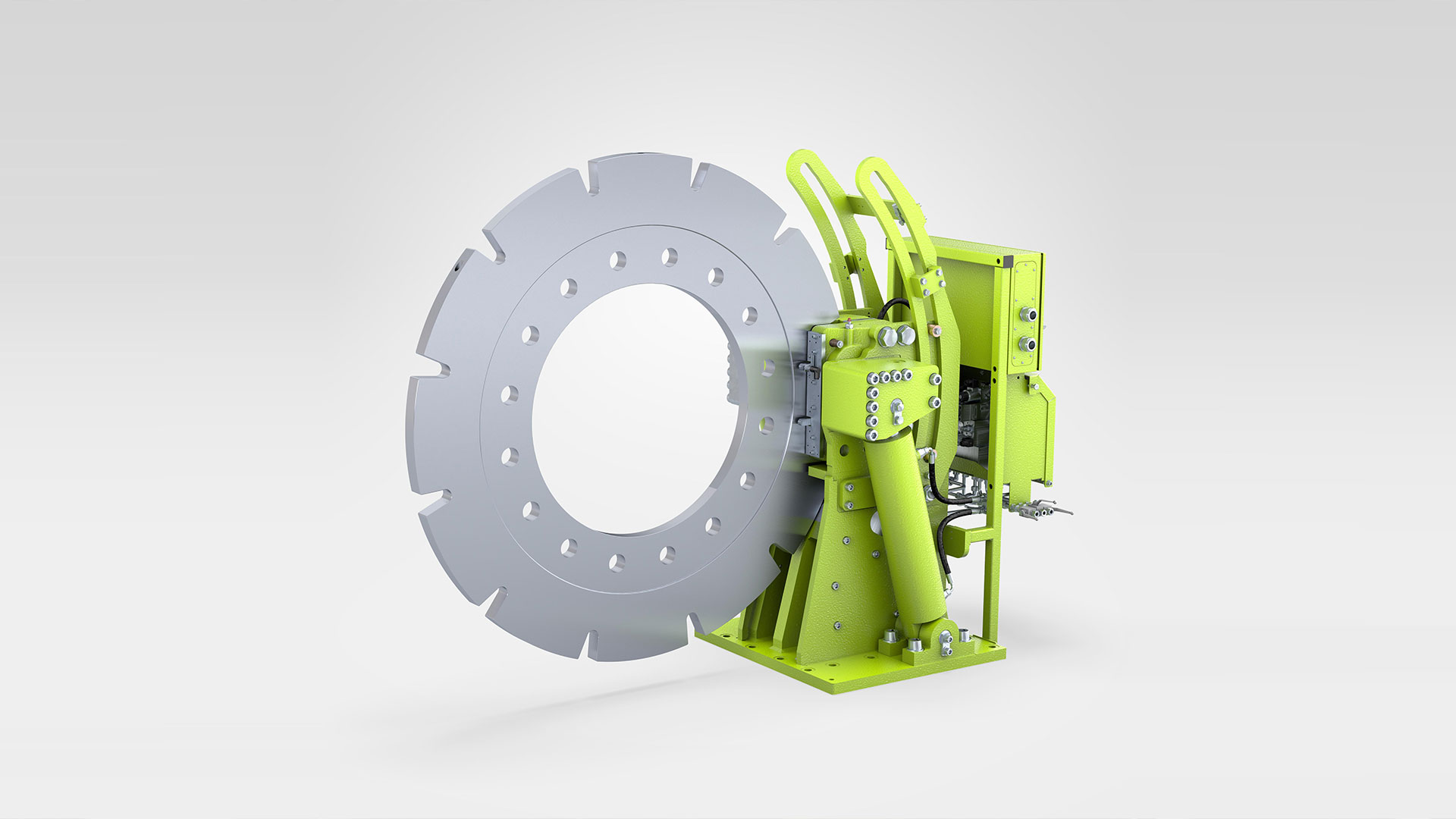
Dellner Bubenzer's Stop Turn Locking (STL) system is installed in all of Naval Group's FDI-project vessels. Credit: Dellner Bubenzer
- Naval projects are long-term, meaning you need to have the cash to survive during the lifetime of the program, Jonsson explains, adding that Dellner Bubenzer has partnered with Naval Group for about a decade.
For those that manage to sustain good relations - and simply survive - the reward can be seemingly unlimited.
Becoming invaluable
- It’s tough to get in, but when you’re in, that probably won't change, says Peter Mikaelsson, Key Account Manager for French frigate-proposer Naval Group in Dellner Bubenzer.
- If you’re specified and have delivered for the first vessel, it’s harder for the contractors to replace you in the supply chain.
That dynamic is what makes the current situation notable.
If the French group's FDI platform is selected for Sweden frigate renewal programme, suppliers already embedded in the programme move into a position where their role is effectively secured.
- It’s home soil, so we want to be the supplier, Mikaelsson says.
- There’s a bit of prestige in it as well. I would say it is 99 per cent safe to say, that we would be in it.
But the underlying logic for other suppliers, considering a venture into the defence sector, is more demanding than that.
Entering defence is not only about winning a contract. It is about sustaining years of investment before the returns become predictable.
- It can be a very big investment, Mikaelsson says.
- But if you’re in, you’re kind of in.
VIEW ARTICLE